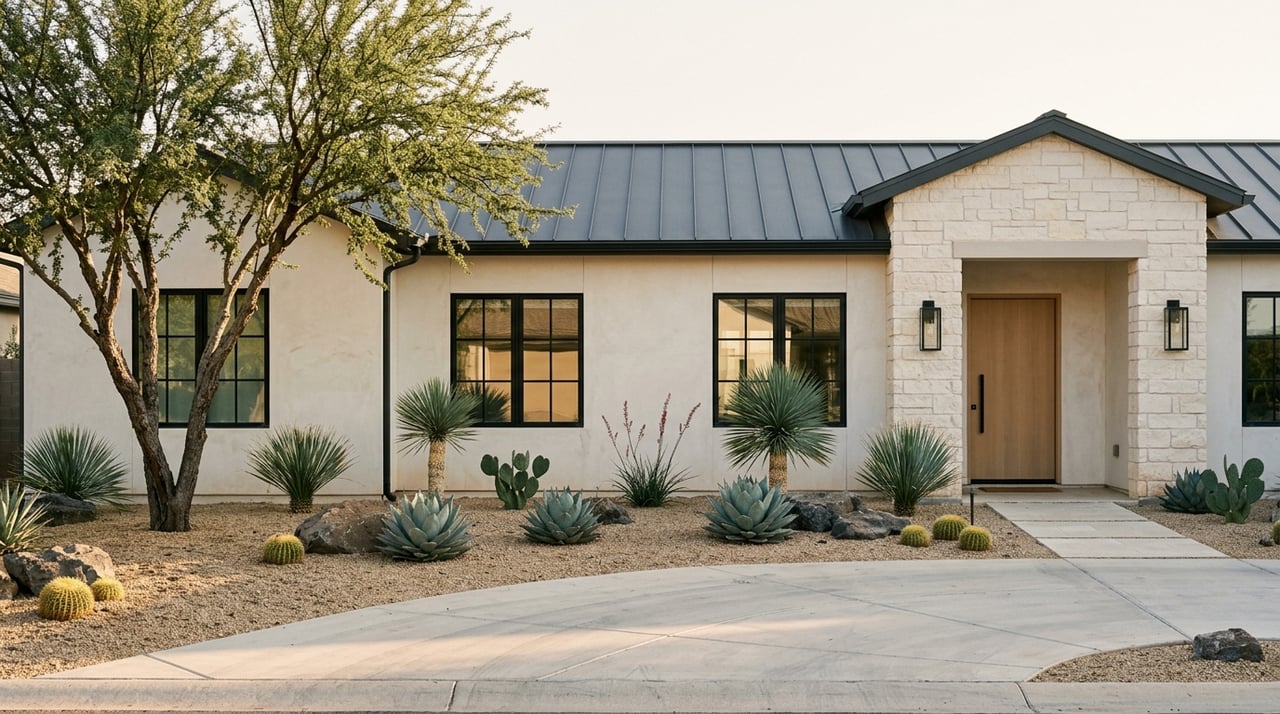
What to Know About Scottsdale Long Term Rental Homes
Are Scottsdale single-family homes good long-term rentals? The answer is not as simple as looking at a headline rent and assuming the numbers work. If you are thinking about buying, holding, or converting a home into a long-term rental in Scottsdale, you need a clear view of rent levels, purchase prices, local rules, and desert-specific upkeep. Let’s dive in.
Scottsdale is an expensive market on both sides of the housing equation. As of May 20, 2026, Zillow reported an average asking rent of $3,295 in Scottsdale, with 2,230 rentals available. As of April 30, 2026, Zillow also reported an average home value of $858,307, with homes going pending in about 32 days.
That combination matters because high rents do not automatically mean strong cash flow. Home values are also high, so your rent-to-price relationship may be tighter than you expect. In many cases, Scottsdale works better for buyers who are underwriting carefully and thinking beyond simple monthly spread.
The City of Scottsdale’s 2025 Housing Needs Assessment, using 2023 ACS data, reported a median contract rent of $1,768. That figure is useful, but it reflects occupied rents rather than current asking rents for new listings. In practice, you should view occupied-rent data and active asking-rent data side by side, not as interchangeable numbers.
If you are analyzing a Scottsdale rental, it helps to know what each data point is measuring. Asking rent reflects what owners are currently listing for in the open market. Contract rent reflects what existing tenants are already paying in occupied homes.
That gap can be wide in a market like Scottsdale. Zillow’s average asking rent was $3,295, while the city’s median contract rent was $1,768. Those numbers are not contradictory. They are simply telling you different things about the market.
For an investor or homeowner, this means you should avoid relying on one figure alone. A home that looks attractive based on current listings still needs to compete in a real tenant pool, and your lease renewal strategy may not match the newest listing prices every year.
Scottsdale has meaningful rental inventory, but it is not unlimited. The city’s FY 2023/24 annual report says Scottsdale had 136,665 total housing units, with 56.8% owner-occupied and 28.0% renter-occupied. It also reported a 5.6% rental vacancy rate and 15.3% seasonal and vacant units.
That seasonal and vacant share is important context in Scottsdale. Some housing stock is not part of the year-round long-term rental pool in the same way as a typical primary-residence market. For you, that means supply can look broad on paper while still feeling selective by neighborhood, price point, and home type.
The same city report says 52.2% of households earn $100,000 or more. That helps explain why there is demand for higher-priced rental housing, including well-located and well-maintained single-family homes. Still, demand at the upper end does not remove the need for smart pricing and strong property condition.
One quick public-data check shows why many Scottsdale rental purchases need disciplined underwriting. Using Zillow’s reported $3,900 rent for a three-bedroom Scottsdale unit and the city’s 2024 median single-family home value of $1.125 million, the rough gross yield comes out to about 4.2% before expenses.
That is only a shorthand, but it is a useful one. Once you factor in vacancy, property taxes, insurance, HOA dues, repairs, and management-related costs, the margin gets thinner. If you are financing the property, the monthly numbers may become even more challenging.
The city’s housing report included an illustrative monthly mortgage payment of $5,395 on that same median-priced single-family home, assuming 80% loan-to-value and 6% interest. That does not mean every Scottsdale rental will underperform, but it does suggest that rent alone may not support a financed median-priced single-family purchase.
Many owners focus heavily on price and overlook lease timing. That can be a mistake in a seasonal market. Zillow reports that June typically marks peak heat in the rental market, driven by end-of-school timing and lease turnover during the summer months.
In Scottsdale, that pattern often makes late spring through summer a practical time to place a new tenant or reset a lease. That does not mean winter is inactive, and the exact timing can vary by neighborhood, price tier, and whether the home appeals to seasonal residents. It does mean lease expiration dates deserve attention before you buy.
When you evaluate a home as a rental, consider:
A good acquisition plan is not only about what rent you can charge. It is also about when you can charge it.
Scottsdale’s climate is a major part of rental ownership. NOAA normals for Scottsdale Municipal Airport show mean daily highs of 102.0°F in June, 104.1°F in July, 102.9°F in August, and 98.2°F in September. Annual precipitation is just 8.73 inches, and the National Weather Service defines monsoon season as June 15 through September 30.
In practical terms, that climate puts pressure on building systems and exterior materials. HVAC performance is especially important during the hottest months. Roof condition, drainage, paint, sealing, irrigation, desert landscaping, and pool or spa care can all become recurring budget items.
Arizona’s Attorney General states that landlords must keep HVAC, ventilation, and air-conditioning equipment in safe and working order and provide cooling unless it is exclusively controlled by the tenant. The AG also warned in 2025 that failure to provide adequate AC can violate Arizona’s Landlord and Tenant Act, especially when indoor heat creates a health or safety risk.
For you, this means maintenance is not a side note. In Scottsdale, habitability and climate readiness are core parts of long-term rental ownership.
If the home is in a planned community, review the HOA declaration before you assume renting is allowed on your preferred terms. Under Arizona law, a member may use property in a planned community as a rental unless the declaration prohibits it. The declaration also controls rental-related restrictions.
Arizona law also limits what associations may request from owners and tenants. Associations may request adult occupant names and contact information, lease dates, and vehicle plate information. In most cases, they may not require the full rental application, credit report, or lease agreement, subject to statutory exceptions for age-restricted communities.
This is one reason due diligence matters so much in Scottsdale. Two homes with similar pricing may come with very different practical rental rules based on community documents.
A common point of confusion is the difference between city tax rules and county registration rules. Maricopa County requires residential rental property to be registered with the County Assessor. If the owner does not live in Arizona, the owner must designate an Arizona statutory agent.
The county says this registration exists so local governments can enforce slum-and-blight laws. If the property stops being rented, the rental status should be updated. That is an administrative step, but it is one you should account for as part of setup and ongoing compliance.
Arizona tax guidance draws a clear line between long-term and short-term occupancy. According to the Arizona Department of Revenue, residential rental means 30 or more consecutive days for residential purposes only.
Starting January 1, 2025, owners of residential rentals should no longer collect or remit city TPT on long-term lodging stays of 30 days or more. Scottsdale also states that owners renting 30 days or longer do not need a City of Scottsdale short-term or vacation-rental license through that process. If the lease is for fewer than 30 days, Scottsdale’s short-term rental rules apply instead.
That distinction is especially important if you are comparing a long-term hold with a seasonal or short-term strategy. The operational rules are not the same, and your intended use should be clear before closing.
If you are considering a Scottsdale single-family home as a long-term rental, use a layered approach instead of a single online estimate. Start with current asking rent. Then compare that number with occupied-rent data and the actual price range for the homes you are considering.
Next, build in realistic expenses. That includes vacancy, HOA dues if applicable, insurance, routine maintenance, HVAC service, landscaping, and any pool or spa upkeep. If you are financing, include a payment scenario that reflects today’s borrowing environment rather than a best-case assumption.
Here is a simple checklist to keep your review grounded:
In Scottsdale, the strongest rental decisions usually come from careful property selection and expense control, not just optimism about future rent growth.
Scottsdale has enough complexity that the right guidance can save time and reduce risk. A home may look promising online, but the real story often comes from pairing market data with community rules, lease timing, and condition analysis. That is especially true if you are relocating, buying remotely, or evaluating higher-value single-family homes.
Marianne Bazan brings a long track record in Scottsdale residential real estate, including luxury, relocation, and investment-oriented transactions. With deep local knowledge and a concierge-level approach, she can help you evaluate properties with a practical eye toward both lifestyle and long-term value.
If you are weighing a Scottsdale home as a long-term rental, or deciding whether to keep or sell a property you already own, Marianne Bazan can help you think through the numbers, timing, and local considerations with care and discretion.
Stay up to date on the latest real estate trends.

Finding the right home can be time-consuming and stressful. You want someone in your corner to help guide the entire process.