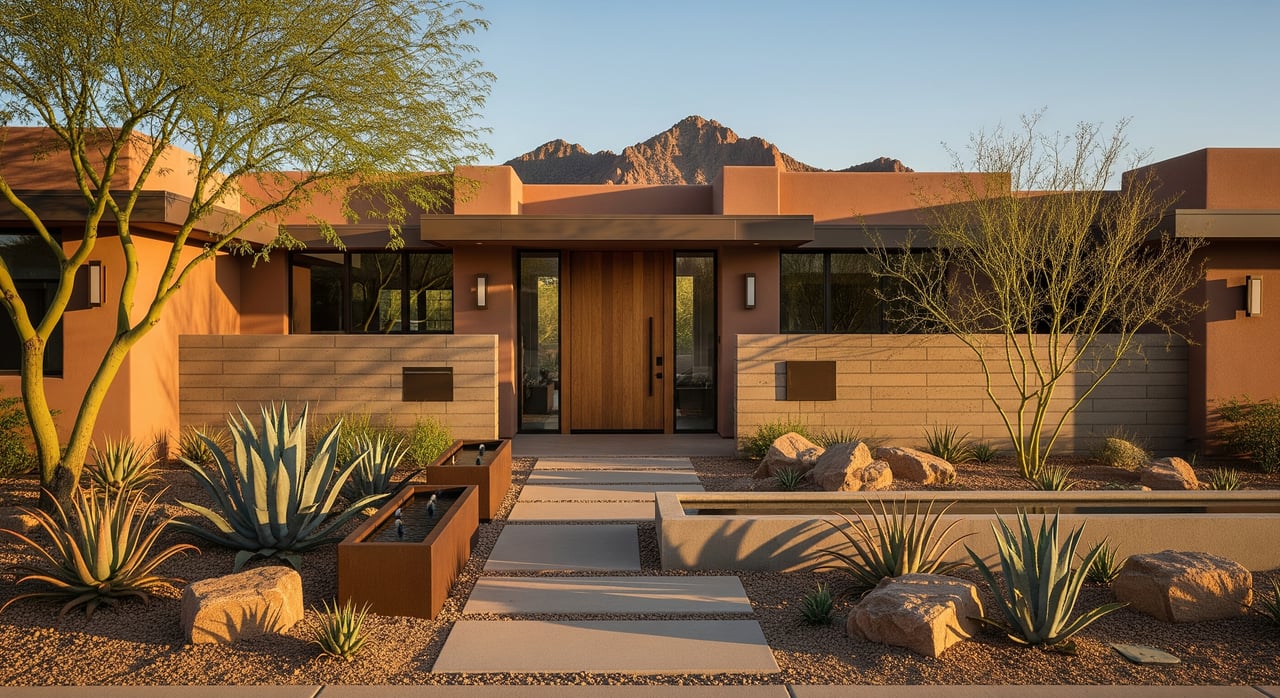
Scottsdale Desert Curb Appeal Ideas for Modern Homes
Wondering how to make your Scottsdale home pop from the street without wasting water or time? You are not alone. In our Sonoran Desert climate, curb appeal works best when it is heat-smart, low maintenance, and camera ready. Below you will find practical, desert-savvy upgrades that help your home show beautifully in person and in photos. Let’s dive in.
Scottsdale sits in the Sonoran Desert with very hot summers, mild winters, and low annual rainfall. Plants, finishes, and lighting need to handle intense sun, heat, UV, and occasional monsoon downpours. The area generally falls within USDA hardiness zones 9b–10a, so plan for heat tolerance and the chance of rare cold snaps.
Local buyers value outdoor spaces that look polished and are easy to maintain. Low-water landscaping, healthy desert trees, defined walkways, and good lighting are common priorities. Water-wise designs and drip irrigation are widely encouraged across Maricopa County.
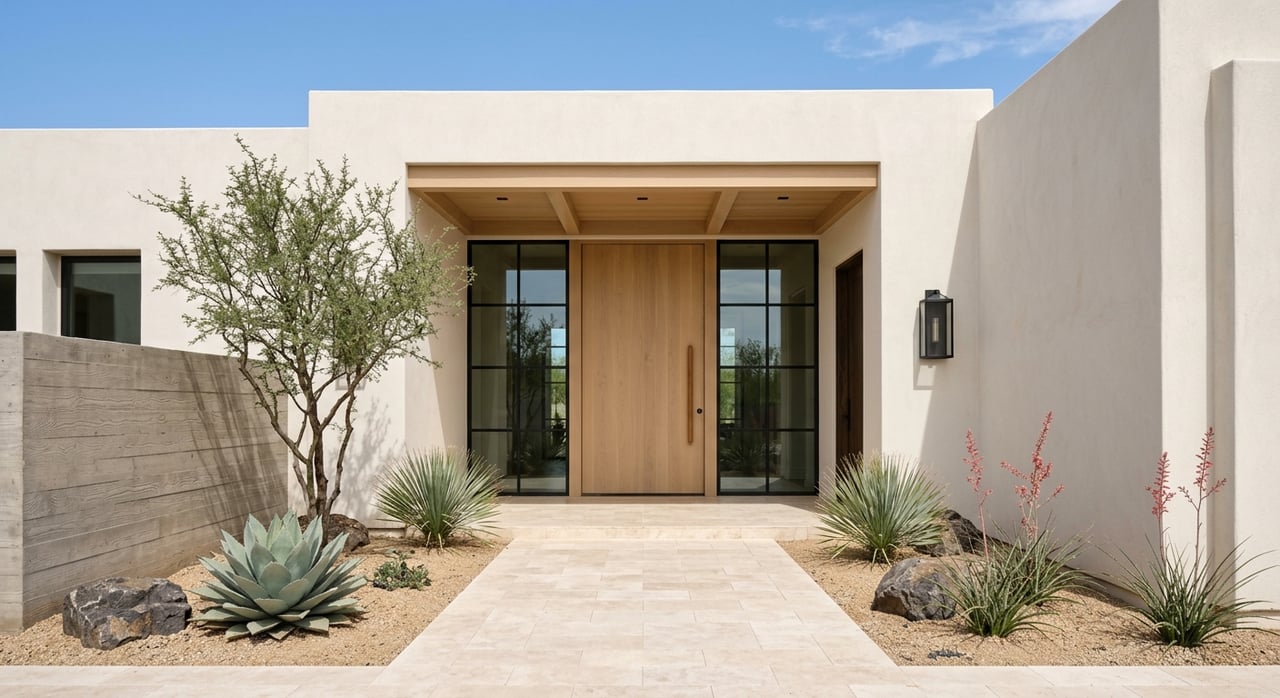
Make your front door the focal point with a direct, well-marked walkway from the driveway or street. Keep edges crisp so the path reads clearly in photos. Add a secondary visual guide with planting beds or subtle path lights.
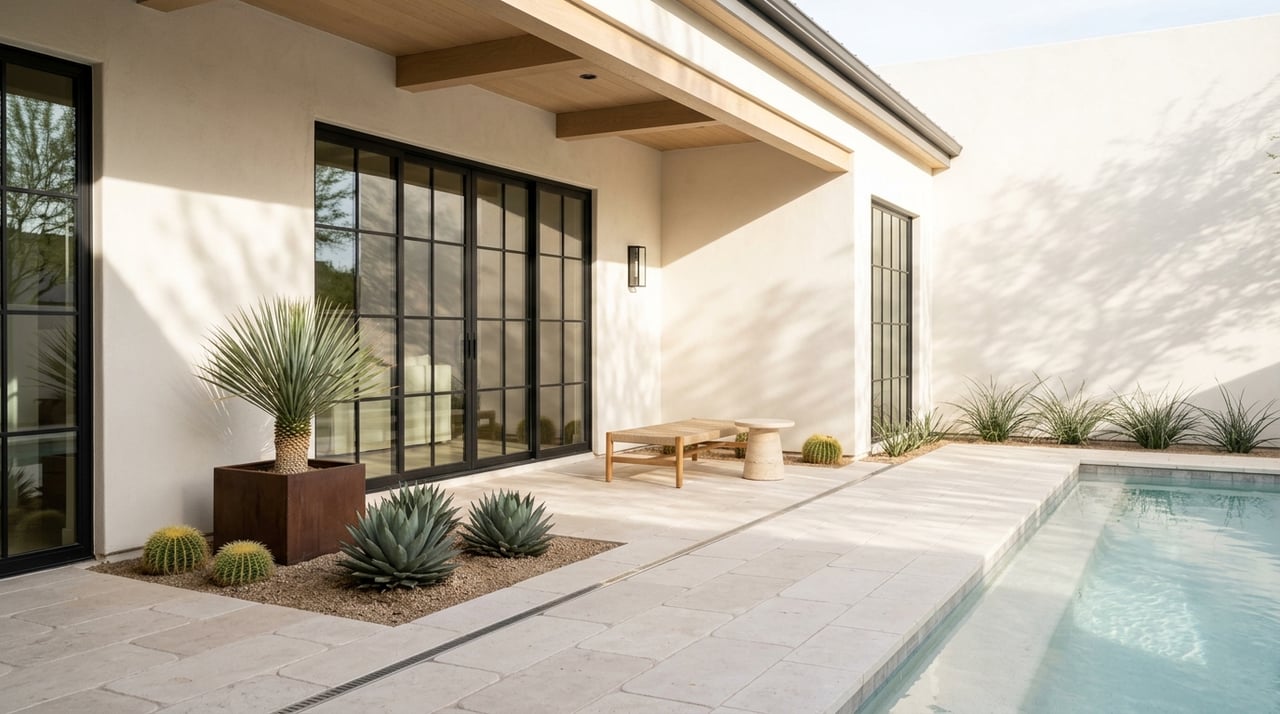
Permeable pavers, decomposed granite, or flagstone suit desert conditions and reduce glare. Large-format concrete or porcelain pavers create a clean, modern look and stand up well to heat when properly installed.
Use simple, sculptural accents to lead the eye. One or two large containers, a single boulder, or a bold agave near the entry can add presence without clutter. Keep sight lines open so the door, address numbers, and architectural details are visible.
Permeable pavers or compacted aggregate help reduce runoff and allow water to soak into planting basins. Ensure grading directs monsoon water away from the house and toward drains or landscape depressions.
Keep patterns clean and consistent, and use wide, neat joints for a polished finish. Frame the driveway with a few low-water plants or a pair of understated pots. The goal is a tidy edge and strong geometry that photographs well.
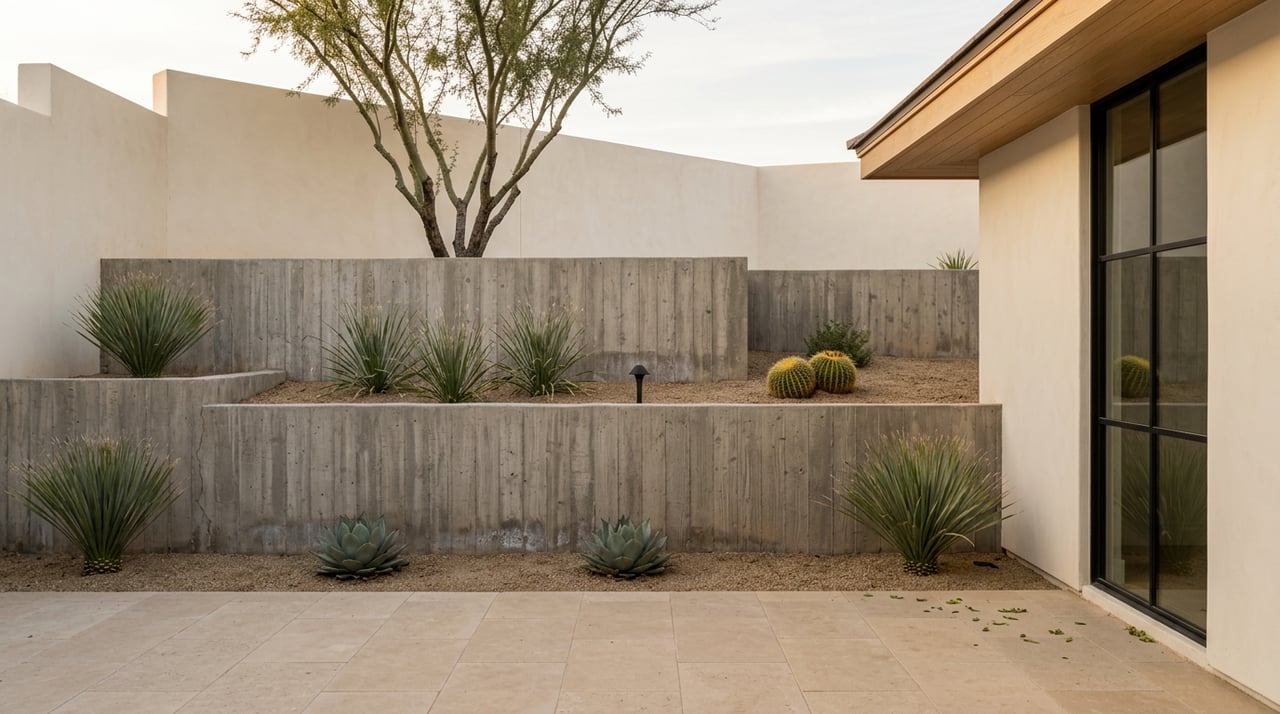
Anchor beds with sculptural agaves, yuccas, and other architectural forms. They offer year-round structure with very low water needs. Place spiny plants away from walkways for safety.
Choose low-water bloomers that thrive here, such as red yucca, salvias, lantana, penstemon, brittlebush, and desert marigold. Plant in bold groups rather than many single plants. Larger drifts read better in listing photos.
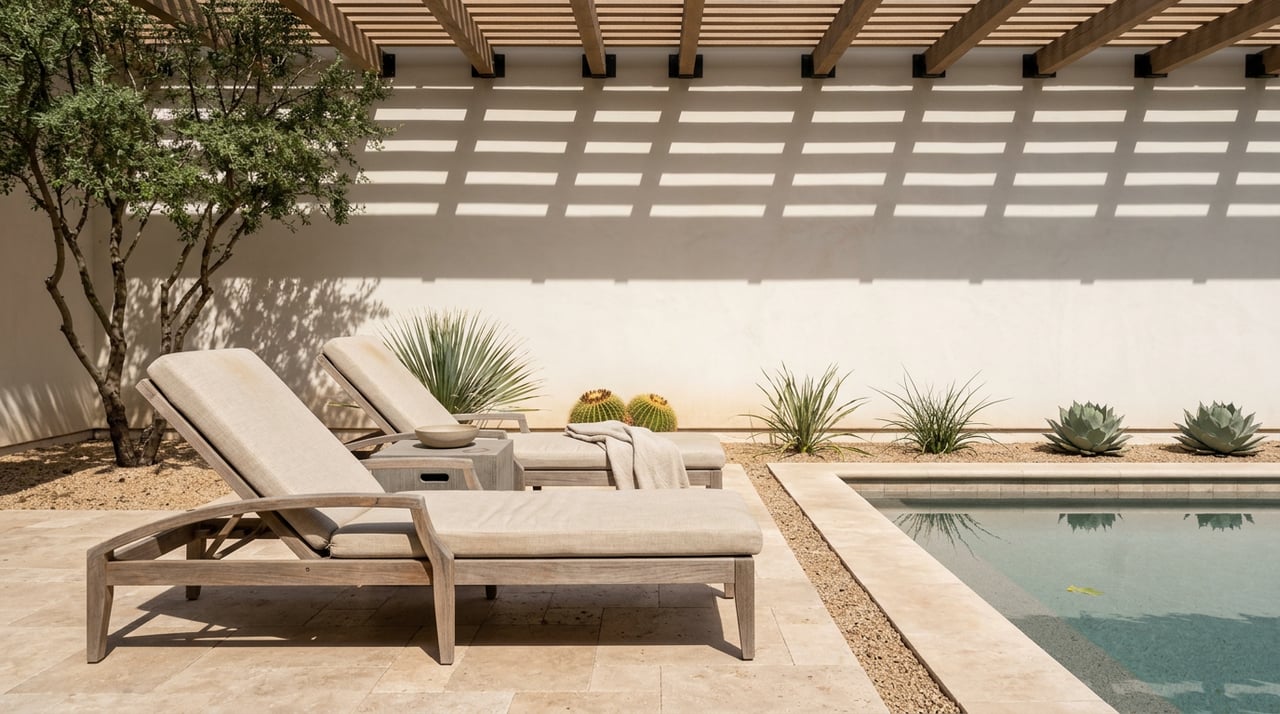
Consider Palo Verde, Mesquite, or Ironwood for filtered shade and scale. Position taller trees toward the back or corners to keep the entry open. Plan for mature size and root spread.
Use gravel or decomposed granite in a consistent color to tie the front yard together. Limited artificial turf can provide a green accent if it fits the architecture and HOA rules. Group plants by water needs so drip zones run efficiently.
Neutral sands and warm grays in rock and hardscape pair well with desert architecture. Add warm terracotta or corten planters for contrast and let plant greens act as the main color. Use bright blooms as strategic accents, not the entire palette.
For mulch, decomposed granite or pea gravel works well in full sun. In shaded beds, a light layer of organic mulch can boost soil health and reduce watering frequency.
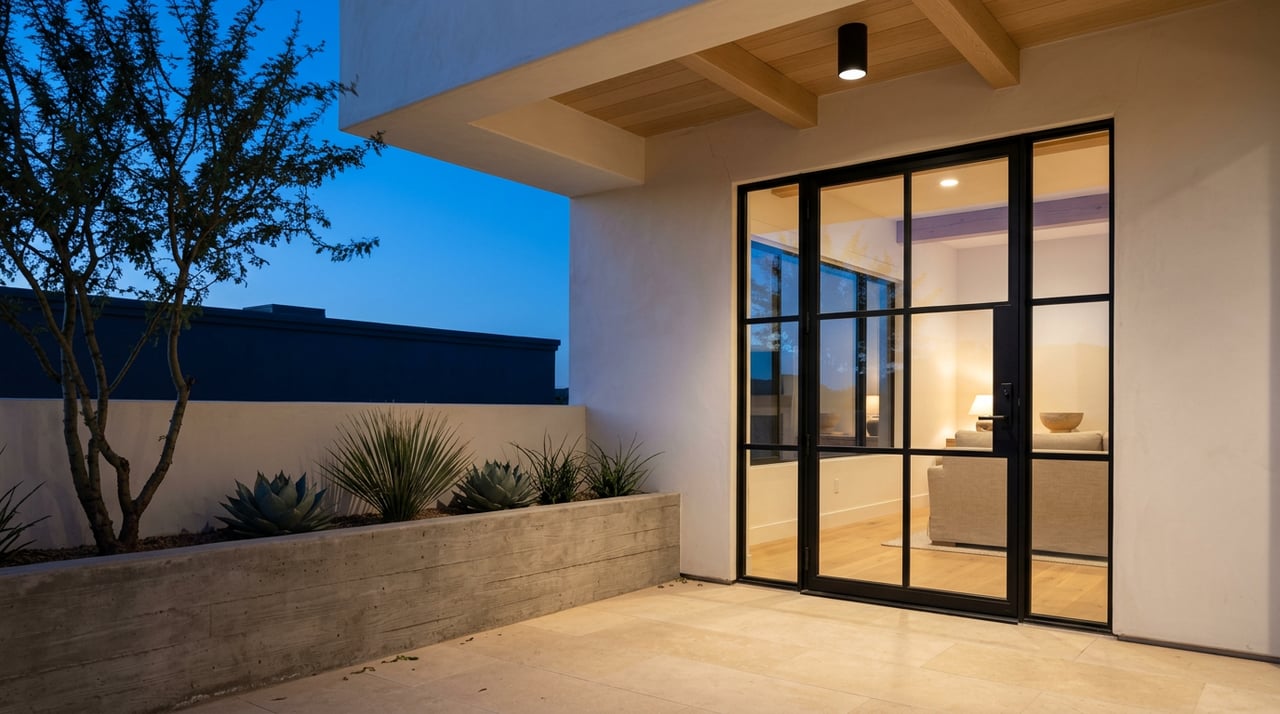
Combine path lights for guidance, soft wall washing for depth, and targeted uplights for trees or architectural features. This layered effect creates an inviting look after sunset and helps photos shine.
Use energy-efficient LEDs with a warm color temperature around 2700–3000K for a welcoming glow. Low-voltage systems are a smart, efficient choice for residential landscapes.
Aim fixtures away from neighboring windows and traffic. Light the address numbers, the front door, and one or two focal plants so buyers can easily orient themselves at night.
Drip irrigation and micro-emitters are the standard for desert plants. Group plants with similar water needs on the same zone and schedule. Smart controllers that respond to temperature, rainfall, and evapotranspiration can cut water use significantly.
Increase water retention by improving soil where needed and using mulch to reduce evaporation. Deep, occasional watering helps establish young desert trees, while mature trees benefit from periodic deep soaks and inspections for pests or stress.
Low-water landscapes reduce mowing but still need attention. Plan seasonal pruning, weed control, and periodic irrigation checks. Remove spent growth on succulents and keep spiny plants clear of paths. Pressure wash hard surfaces before photos and showings.
Some hardscape or drainage changes may require permits from the City of Scottsdale or Maricopa County. Many Scottsdale neighborhoods have HOAs with approved plant lists, rock colors, and design guidelines. Before starting work, verify HOA standards and check for any utility guidelines or rebates related to turf removal and efficient irrigation.
Thoughtful curb appeal consistently shapes buyer perception and can support a smoother sale timeline. In Scottsdale, a well-edited, water-wise front yard aligns with local expectations and stands up to sun and monsoon season.
Ready to tailor these ideas to your property and listing goals? For discreet, high-level guidance and a personalized plan to prepare and market your home, connect with Marianne Bazan.
Stay up to date on the latest real estate trends.
Finding the right home can be time-consuming and stressful. You want someone in your corner to help guide the entire process.