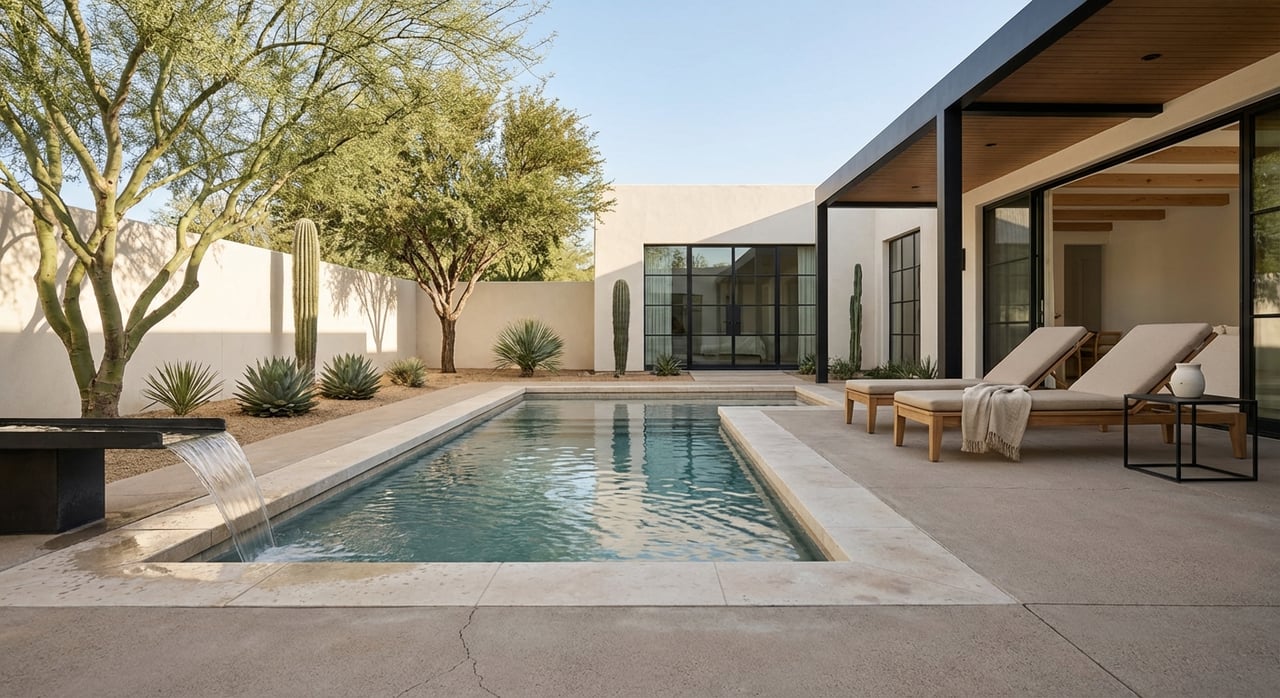
What Seasonal Living In Paradise Valley Is Really Like
If you picture January sunshine, a latte on the patio, and Camelback Mountain glowing pink at dusk, you already understand the pull of Paradise Valley. Many owners come for winter ease and resort access, then design smart systems for the hotter months. In this guide, you’ll see how the seasons actually feel, what daily life looks like, how remote management works, and what costs to plan for. Let’s dive in.
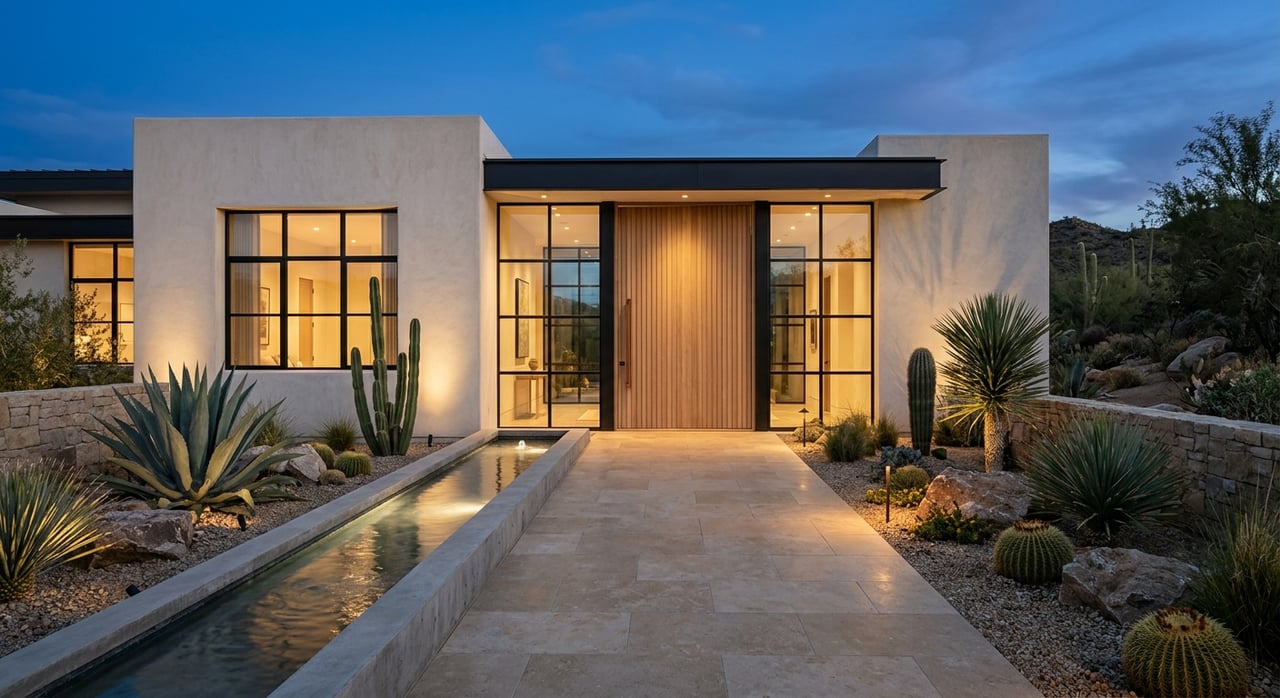
Paradise Valley is known for privacy, estate lots, and a low-density feel. Much of the town has a one-acre minimum lot size, which sets the tone for space and quiet living. You will also find resort and dining access within a short drive, plus quick routes to Scottsdale and Phoenix.
It is also an ultra high-end market. Recent reporting shows a median sale price around $4.785 million as of January 2026, which signals low volume and luxury positioning. Consumer-facing indexes sometimes aggregate different boundaries and methods, so figures can vary, but the local pattern is consistent: this is a premium market with scarce inventory. Agent and MLS-based data on pricing and zoning history that documents large-lot planning help explain why.
The Valley’s social peak runs roughly November through April, with the strongest concentration of seasonal visitors from December to March. Spring training, the Phoenix Open, art events, and patio dining stack the calendar and make reservations a smart habit. This is the time to plan early-morning golf, brunch with friends, and sunset walks.
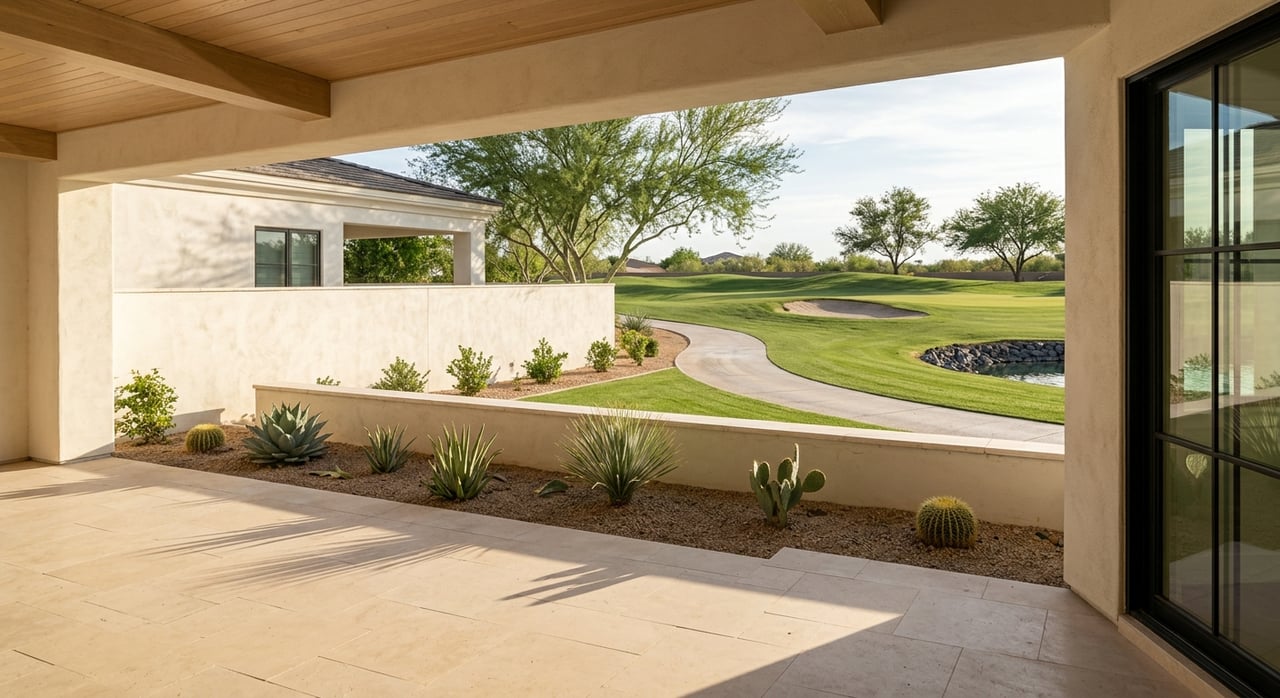
Your weekly rhythm often blends home time with resort amenities. Many owners treat nearby properties like JW Marriott Camelback Inn, Sanctuary Camelback Mountain, Omni Montelucia, and Mountain Shadows as an extension of home for dining, spas, and gatherings. Explore the town’s resort list to get a feel for options. For outdoor time, you can summit Camelback’s Echo Canyon before lunch or opt for a scenic stroll in nearby preserves. For overall timing and visitor patterns, see this overview of the region’s winter “snowbird” season that concentrates in late fall through early spring. Learn more about the winter influx.
Paradise Valley sits in a hot-desert climate. Average highs run in the mid to upper 60s Fahrenheit in January, then climb above 105 in July. That pleasant winter is why seasonal living works so well, but it also means summer requires planning for comfort, energy use, and property care. See the local climate normals here for a reliable baseline of temperatures and rainfall. Review Phoenix climate normals.
Recent summers have delivered record or near-record heat with many days at 110 or higher. That makes well-maintained HVAC and thoughtful shading important, especially if you leave the home for part of the season. Afternoon storms arrive during the monsoon window from mid-June through the end of September, bringing lightning, brief heavy rain, dust storms, and the potential for flash flooding in washes. For context on heat trends and seasonal hazards, see these resources on heat extremes and the Phoenix-area monsoon season.
Most seasonal owners follow a lock-and-leave pattern. You might spend winters in residence, then travel or return north in early spring, using the home for long weekends the rest of the year. Some owners stay longer thanks to remote work flexibility. Others explore fractional or co-ownership models to match usage with cost and management preferences.
Day to day, winter mornings often start early for golf or a hike, followed by late lunches on a patio and resort dinners. Summer is quieter, with early routines, pool time, and indoor wellness or spa visits. Access to Phoenix Sky Harbor International Airport and major medical centers is a practical benefit, especially if family and friends visit often.
You can manage your property two main ways:
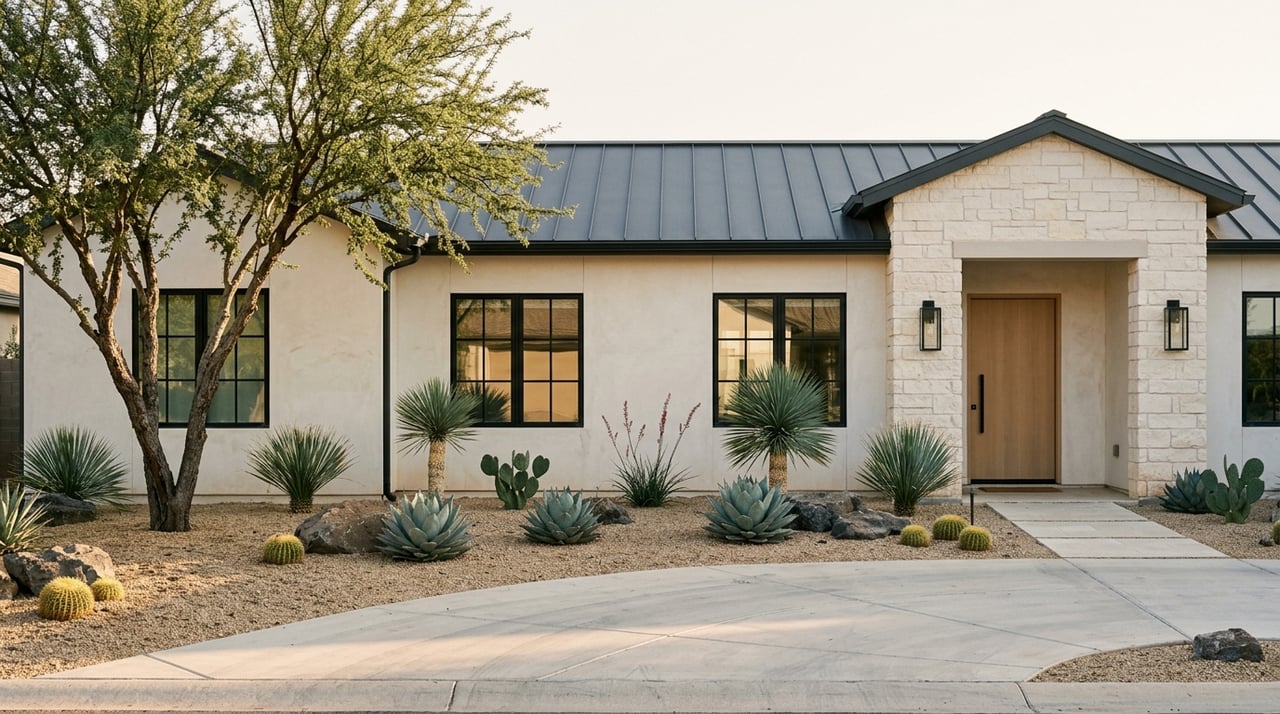
Desert-specific maintenance focuses on HVAC servicing, pool care, irrigation, and pest control. If you prefer low-upkeep outdoor spaces, consider water-wise landscaping and a weather-based irrigation controller to cut usage. Set clear service schedules and emergency protocols with your vendors so you do not have to fly in for small issues.
Short-term rentals are regulated primarily by state law, with local nuisance and safety rules in place. If you plan to rent your home, you must obtain a Transaction Privilege Tax license and comply with town requirements. Always confirm HOA covenants before you buy, since some communities have stricter rules than town code. Review the town’s short-term rental guidance before you make plans.
Operating costs scale with the value of the property and how often you use it. Budget for property management or concierge services, pool and landscaping, pest control, utilities that rise in summer, and property taxes. Arizona’s effective tax rates can be lower than the national median, but high home values in Paradise Valley mean larger absolute bills. For current trends by area, see this overview of property taxes in Paradise Valley, and verify exact amounts with the county assessor for any address you are considering.
Ready to explore whether a seasonal home in Paradise Valley is the right fit for you? With 25-plus years of local experience and a concierge approach, Marianne Bazan can help you evaluate neighborhoods, compare properties, and set up a smooth lock-and-leave plan.
Stay up to date on the latest real estate trends.
Finding the right home can be time-consuming and stressful. You want someone in your corner to help guide the entire process.