Scottsdale vs Paradise Valley Homes: What Buyers Should Know
Trying to choose between Scottsdale and Paradise Valley? On a map, they sit side by side, but for buyers, they can feel like two very different markets. If you are weighing lifestyle, budget, lot size, and housing options, this comparison will help you sort out where your priorities may fit best. Let’s dive in.
Scottsdale and Paradise Valley are adjacent, but they differ sharply in size and housing profile. Scottsdale reports 243,050 residents across 184.5 square miles, while Paradise Valley reports an estimated 12,774 residents across 15.4 square miles. That means Scottsdale is far larger in both land area and population, which helps explain why buyers usually see more choices there.
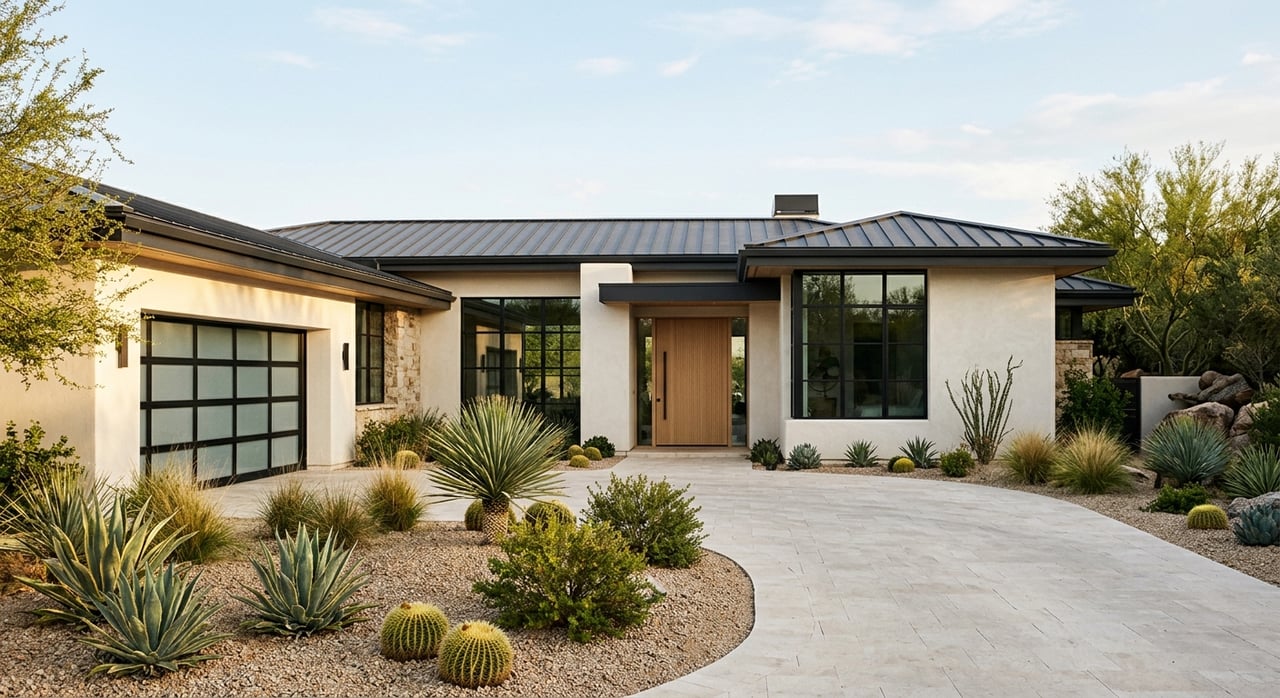
Paradise Valley has a more residential, low-density identity. The town emphasizes that it is predominantly zoned for single-family housing and includes 9 resorts, 3 golf courses, and 4 medical centers. In practical terms, that creates a more estate- and resort-oriented setting than Scottsdale’s broader urban and suburban mix.
If you want a wider menu of home types, Scottsdale typically gives you more to explore. The city’s General Plan includes rural, suburban, and urban residential categories, ranging from large-lot areas to medium- and small-lot single-family homes, along with some townhouses, patio homes, and multi-family housing. For buyers, that means Scottsdale can work for very different goals and budgets.
This variety also matters if you are still narrowing your lifestyle. You may find rural estate areas, more traditional suburban neighborhoods, or urban-style housing patterns within the same city. That broader mix makes Scottsdale a useful starting point when you want flexibility.
Paradise Valley is more consistent in its housing pattern. The town’s resident guide states that it is primarily zoned for single-family residential use with one home per lot, and most of the town is R-43, which means at least one acre per lot. There are some exceptions, including R-175, R-35, R-18, and R-10 zoning categories, but they are not the dominant pattern.
For many buyers, that translates into larger lots, more separation between homes, and a more private residential feel. If acreage and custom estate living are high on your list, Paradise Valley often stands out quickly.
If you are thinking about a teardown, custom build, or major remodel, Paradise Valley deserves extra attention. The town’s resident guide notes that building and zoning rules may be more restrictive than in surrounding communities. It also states that significant remodeling and hillside work require town approval.
That does not make a project impossible, but it does mean you should go in with clear expectations. If your plan involves major design changes or site work, understanding the approval process early can save you time and frustration.
Because Scottsdale includes a broader range of residential categories, buyers often have more options depending on the type of property they want. That does not mean every Scottsdale property is simple to modify, but the city’s wider housing mix can create more paths for buyers who are comparing existing homes, newer communities, and different lot configurations.
This is one reason neighborhood-level research matters so much in Scottsdale. A property in one area may feel very different from a property in another part of the city.
Spring 2026 market snapshots show a significant gap between the two markets. Realtor.com lists Scottsdale with a median listing price of $1,059,500 and 3,947 homes for sale. Paradise Valley shows a median listing price of $4,992,500 with 372 homes for sale.
That pricing spread tells an important story. Paradise Valley generally requires a much higher entry budget, while Scottsdale offers a broader range of price points and far more active inventory. If you are early in your search and want to compare more options before narrowing in, Scottsdale is often the easier place to begin.
Redfin’s March 2026 sold-price snapshots point in the same direction. Scottsdale’s median sale price was $965,000, while Paradise Valley’s was $4,797,500. These figures are snapshots rather than fixed rules, but they reinforce the same overall takeaway: Paradise Valley operates at a much higher price level.
Inventory can shape your search just as much as price. Scottsdale had 3,947 homes for sale in the spring 2026 snapshot, compared with 372 in Paradise Valley. More inventory usually means more opportunities to compare home styles, lot sizes, and neighborhood settings.
The same market snapshot showed median days on market of 65 in Scottsdale and 75 in Paradise Valley. Sale-to-list ratios were 97% in Scottsdale and 95% in Paradise Valley, and both markets were labeled balanced. For buyers, that suggests neither city is behaving like an extreme market at the moment, but Scottsdale still offers a deeper pool of options.
Scottsdale tends to offer more everyday variety. The city says Old Town Scottsdale has more than 90 restaurants, 320 retail shops, and more than 80 art galleries. Scottsdale also highlights destinations such as the McDowell Sonoran Preserve, WestWorld, Scottsdale Stadium, and the Scottsdale Trolley.
If you want easier access to shopping, dining, arts, events, and recreation within the city itself, Scottsdale may feel more convenient. For many buyers, that mix supports a more active day-to-day lifestyle with more choices close by.
Paradise Valley offers a different kind of appeal. The town highlights resort dining at Camelback Inn, Montelucia, DoubleTree Paradise Valley Resort, Hermosa Inn, Sanctuary Camelback Mountain, and Mountain Shadows, along with golf at Camelback Golf Club, Mountain Shadows Golf Club, and Paradise Valley Country Club.
The area is also strongly tied to mountain surroundings, with preservation priorities that include Mummy Mountain, Camelback Mountain, and the Phoenix Mountain Preserve area. If you picture a quieter residential setting shaped by resorts, golf, and mountain views, Paradise Valley may align more closely with that vision.
A citywide comparison is helpful, but Scottsdale especially requires a closer look at the neighborhood level. The city spans rural, suburban, and urban housing patterns, so your experience can vary widely depending on where you focus. Two homes with the same Scottsdale address may offer very different surroundings, lot sizes, and daily routines.
That is why buyers often benefit from starting with the big-picture comparison and then moving into more precise neighborhood matching. Once your priorities are clear, the search usually becomes much more efficient.
If you are deciding between Scottsdale and Paradise Valley, the right answer often comes down to what you value most: flexibility and variety, or privacy and estate-style living. With deep local experience across both markets, Marianne Bazan can help you compare options, narrow the right areas, and move forward with confidence.
Stay up to date on the latest real estate trends.

Finding the right home can be time-consuming and stressful. You want someone in your corner to help guide the entire process.